Aliya: A Handwritten Font That Elevates Branding with Personality
Let me take you back to a recent project: a small artisanal bakery looking for a fresh visual identity. I opened a blank brand board in Illustrator, ready to explore type treatments that would capture warmth, craftsmanship, and approachability. I had downloaded Aliya the week before—curious about its promise as a “lovely and beautiful handwritten font.” I dropped it into a logo concept, and immediately, the tone shifted. It felt personal. Inviting. Like the handwriting of a friend who bakes cookies with love.
Aliya’s Visual Style and Design Personality
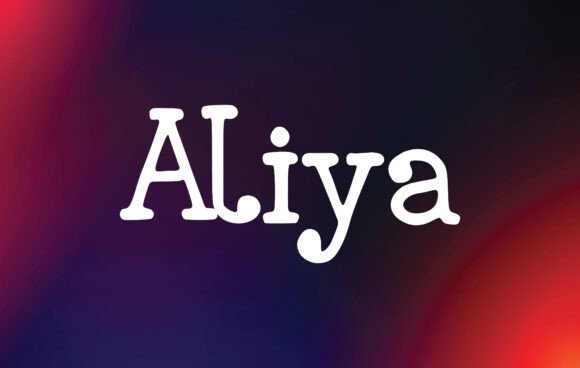
Aliya is exactly what it claims to be: a beautiful, expressive handwritten font. Its strokes flow with a gentle rhythm, giving it a warm and slightly whimsical character. It's clearly crafted for visual appeal rather than strict legibility, making it ideal for short-form text like brand names, taglines, or quotes. The lowercase letters have a soft bounce, while the uppercase characters carry a confident, cursive flair—perfect for logo design where you want to stand out without feeling overly formal.
What sets Aliya apart from other script fonts is its balance between elegance and accessibility. It doesn’t feel too formal like some classic calligraphy fonts, nor does it veer into overly playful territory like some modern handwritten styles. It lands somewhere in the middle—sophisticated but not stiff, friendly but not childish. That makes it especially useful for lifestyle brands, wellness studios, cafes, and creative boutiques where a human touch is part of the brand’s DNA.
Testing Aliya in Real Branding Projects
I used Aliya across several elements of the bakery identity: the main logo, packaging mockups, social media headers, and even a sample business card layout. On the logo, it worked beautifully as a primary typeface. Paired with a clean sans-serif for the secondary line, it created a strong visual hierarchy. The font’s natural flow gave the brand a sense of movement and energy, which felt perfect for a place that prides itself on fresh, daily-baked goods.
When I placed Aliya on a packaging label mockup—think cookie boxes and mason jars—it added a handcrafted, boutique feel. The font’s organic texture translated well into printed mockups, especially when used at a medium to large size. However, I noticed that at smaller sizes (like on a business card), some of the letterforms began to blur together, especially in all caps. That’s a common issue with handwritten fonts, and Aliya is no exception. It’s best reserved for display use rather than long body copy or tiny text.
Where Aliya Shines—and Where It Doesn’t
Aliya excels as a display font or headline font. It’s ideal for:
- Logo design
- Brand quotes or taglines
- Website headers and hero sections
- Social media graphics and Instagram stories
- Packaging labels and product names
- Printed posters, flyers, and invitations
It’s less suited for:
- Body text in editorial or web design
- Small print materials like business cards or footers
- Formal corporate branding or technical documentation
- Long-form quotes or multi-line captions
For a brand identity system, Aliya works best when paired with a more neutral typeface. I paired it with a modern sans serif for the bakery project, which allowed Aliya to shine in headlines while keeping the supporting text clean and legible. If you're going for a more vintage or rustic feel, pairing Aliya with a serif font like a soft slab serif can also work beautifully.
Technical and Practical Considerations
From a technical standpoint, Aliya includes a good range of stylistic alternates, ligatures, and swashes, which is always a plus when designing logos or quotes that need a custom touch. It supports multiple languages and comes in standard file formats including OTF and TTF, which makes it compatible with most design software. I also appreciated the availability of webfont versions, which allowed me to test how Aliya rendered on a live website header without any technical hiccups.
Before using Aliya in a client project, I always double-check the licensing. Many premium fonts are sold with personal-use licenses by default, so if you're planning to use Aliya in a commercial context—like on product packaging, merchandise, or within a brand identity package—it's important to confirm that the license covers those applications. Most font marketplaces offer commercial licenses, but it’s always better to be safe than sorry.
Final Thoughts: When to Use Aliya
If you're working on a creative project that needs a touch of warmth, personality, and authenticity, Aliya is definitely worth testing. It’s not a one-size-fits-all font, but when used appropriately—like in logo design, packaging labels, or quote-based social media visuals—it brings a level of emotional resonance that many generic fonts miss.
Just remember: Aliya is a supporting act in a larger typographic system. Use it where it can make the most impact—headlines, logos, and short bursts of text. Pair it with something clean and readable for body copy. And always test it in context before locking in your final design.